Gutter Cleaning and Downpipe Checks for Somerset Homes
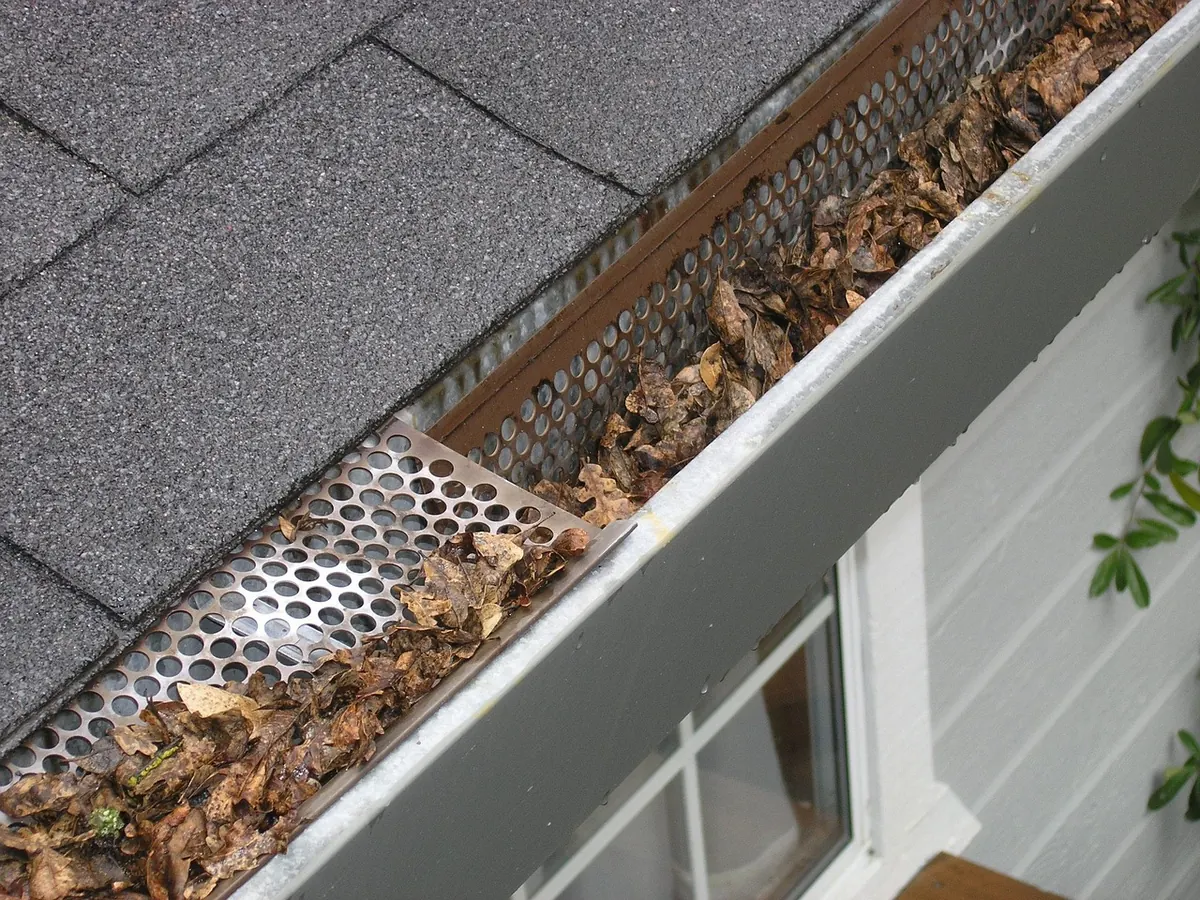
Water is patient. It will find the one joint in your guttering that has shifted by a few millimetres, and it will keep finding it every time the rain comes in off the Bristol Channel. Somerset roofs collect more than their share of leaves, moss and grit, and much of it settles in the gutter rather than heading down the downpipe. A couple of hours in the right season keeps that water moving where it belongs — away from your walls, fascias and foundations.
Somerset gives its roofs plenty to deal with: wooded valleys, hedgerow oaks, sycamores at the end of the road, and a damp climate that suits moss perfectly. Moss lifts from tiles, dries out, and drops into gutters in clumps during the first proper autumn gale. Add pine needles from a nearby conifer and grit washed off the roof, and a gutter that once carried water easily becomes a shallow trough of compost.
Then the rain arrives, as it tends to between October and March. Water backs up behind the blockage, spills over the front lip, and lands exactly where you don't want it — against the wall, behind the fascia board, down the render and onto the path. On older properties with cast iron and deep eaves, that overflow soaks into brickwork slowly. On newer houses it often shows up as a damp patch indoors before anyone thinks to look up.
Two proper cleans a year, plus a few quick glances, will keep most Somerset properties in good order.
If your property sits under trees, or the roof is thatched or heavily mossed, treat twice a year as a minimum rather than a target.
You need less equipment than you might think, but the right bits make the job quicker: a scoop or an old trowel for lifting debris, sturdy gloves, a bucket with a hook so it hangs on the ladder rather than your arm, a garden hose, and a torch for looking along the gutter line.
Working at height is where the real risk lies. Stand the ladder on firm, level ground, set it at roughly four parts up to one part out, and keep three points of contact. Don't overreach — climb down and move the ladder instead — and never lean it against a gutter or a plastic downpipe that could give way. Choose a still day. If your gutters are above the first floor, the ground slopes or is gravelled, or you simply don't fancy it, book someone who does this every week. Ladder falls put people in hospital for the sake of a job that takes an hour.
A clean gutter means nothing if the downpipe is blocked. With the hose running into the gutter, listen at the bottom of the pipe. Water should arrive within seconds and you should hear a steady rush rather than a gurgle or a drip. If nothing appears, the blockage is in the pipe, the hopper, or the drain underneath.
Gentle is the right approach. Feed the hose down from the top and let water do the work; if that fails, use drain rods or a flexible brush from the top down, taking care not to jam the debris tighter. On some properties it's easier to undo a joint near the bottom and clear the pipe in short sections.
At ground level, lift the gully grate and clear the leaves from the trap, then watch how quickly the water disappears. Many Somerset homes drain to a soakaway, a ditch or a water butt, and all three need a look — an overflow pipe should be clear, and a soakaway that stays soggy or a gully that won't empty deserves proper investigation rather than another hose aimed at it. If water sits where it shouldn't, take advice before assuming the ground will sort itself out.
The best time to spot trouble is when everything is clear and dry. Look for:
Plenty of small faults are fixable. Clean a joint thoroughly, let it dry, and seal it with gutter sealant; replace a cracked length of plastic; tighten brackets where the timber behind them is sound. But if the fascia feels soft when you press it, or the gutter sags along a whole run, the problem is behind the gutter rather than in it. That's a job for a carpenter or roofer, and worth doing before winter.
Put the two main cleans in the diary — late autumn and late winter — and treat everything else as a quick inspection. A walk around the house during steady rain tells you more than squinting from the ground on a dry day: watch where the water goes, and note anywhere it spills, drips or disappears too slowly.
If you'd rather not spend a Saturday on a ladder, book early, because late autumn is the busiest few weeks of the year for gutter work. And if you spot something you're not confident about — soft timber, a gutter pulling away, water tracking into a wall — have it looked at properly. Clearing a gutter is a straightforward job. Catching the damage it was doing is the part that saves money.
Photo: 123switch / Pixabay
Previous Post
How to Patch Nail Holes and Repaint Walls Like a Pro
Next Post
Flat-Pack Furniture Assembly: Beginner Tips for Sturdy Builds