Handyman Quotes Compared: Hourly Rates vs Fixed-Price Jobs

Three handymen, one job, three very different pieces of paper. One quotes an hourly rate, one names a day rate, one offers a single fixed price. All three could be fair, and the smallest number on the page is not always the cheapest job in the end.
What matters is knowing what each model includes, which one suits the work you're actually asking for, and how to compare quotes without missing whatever has quietly been left out.
An hourly rate means you pay for time, plus materials. The final bill moves with how long the job takes, so the risk of surprises sits mostly with you.
A fixed price is one agreed figure for a described piece of work. Overruns are generally the handyman's problem. In exchange, the quote usually carries a cushion for the unknown, which can make it look pricey on a straightforward job.
In between sit day rates — simply an hourly rate sold in a longer block — and minimum charges. A twenty-minute job charged at an hour or two is common and perfectly fair, as long as you know before you book rather than when the invoice arrives.
The hourly model suits work that is small, varied, or genuinely hard to predict.
Take a snagging list: a sticking door, a dripping outdoor tap, a curtain rail pulled out of the plaster, a gate that won't latch. Ten jobs on one visit cost far less than ten separate visits, and you can add "while you're here" tasks without renegotiating a price.
Hourly also fits anything where the scope only appears once something is opened up. Older Somerset properties are good at hiding things — lath and plaster behind a modern skim, stone walls that swallow fixings, wiring extended by three previous owners. A handyman who has to guess at all that will price the guesswork in.
Two questions before you agree: when does the clock start and stop, and how are part hours charged? Some count from arrival; some count from the first tool out of the van. Some round to the half hour, others to the full hour. Neither is wrong. You just need to know which one you're getting.
Choose fixed pricing when you can describe the job precisely and want to know the cost upfront.
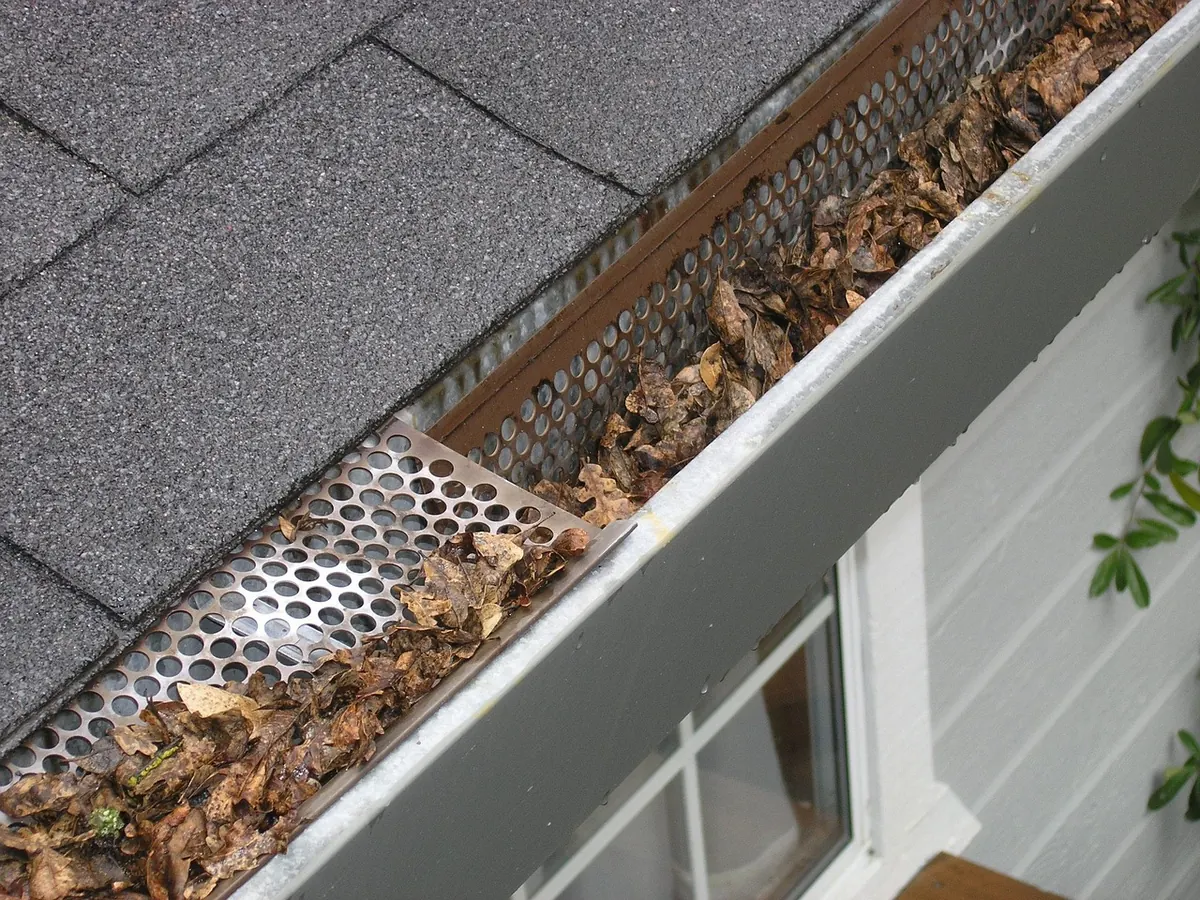
Replacing an outside tap, fitting a door closer, hanging a heavy mirror on a solid wall, clearing a gutter run you can actually reach — these are defined jobs with predictable steps. Two or three fixed quotes against the same written brief give you a real comparison and a budget you can trust.
Fixed prices also move the risk. If the job overruns because of something the handyman should have spotted, that's theirs to absorb. The catch is the word "spotted". Fixed quotes rest on assumptions, so ask what's excluded and how a variation would be priced. A good answer sounds like: "If the wall turns out hollow, I'd stop and ring you before doing anything else." A vague shrug is your cue to keep looking.
And remember that a fixed price covers the agreed scope only. Extra jobs should be quoted separately, and confirmed, before anyone picks up a tool.
A quote that begins with "from" describes the simplest possible version of the job. Ask what pushes it upwards, and by roughly how much.
The work you notice is the hour with the drill. The work you pay for also includes clearing the space, protecting floors, cutting out and tidying up. Some handymen fold that into the price, some list it separately, and some assume you'll handle it. If the job will leave holes to fill or paint, ask directly whether making good is included.
Some tasks sit outside the remit. Gas appliances need a Gas Safe registered engineer, and notifiable electrical work needs an electrician who can certify it. Ask early if your job might stray into either. On older or listed buildings, it's also worth checking with the local council what consent is needed before work begins.
A handyman who explains their pricing clearly tends to explain problems clearly too. If someone can't tell you how they charge, that in itself is useful information.
For small jobs, price and clarity usually decide it. For larger ones, weigh the quote against insurance, references, and how the person answered your awkward questions. Agree the work in writing, even if it's just a message confirming scope and price. Keep any upfront payment modest, pay by a traceable method, and settle the balance once you're happy with what's been done.
If a job grows into structural work or specialist territory, stop and bring in the right trade rather than pushing on. And for anything with serious money or property implications, take proper advice before you commit.
Photo: Kindel Media / Pexels
Previous Post
Seasonal Home Maintenance Calendar for Somerset: Spring to Winter
Next Post
How to Patch Nail Holes and Repaint Walls Like a Pro