Seasonal Home Maintenance Calendar for Somerset: Spring to Winter

Somerset asks a lot of its houses. Six months of Atlantic weather sweeping in from the west, a water table that on the Levels sits uncomfortably close to the surface, and a housing stock running from Victorian brick terraces in Bridgwater to cob and stone cottages tucked into Mendip valleys. None of that is a reason to panic. It is a reason to be organised. Small faults that go unnoticed in June turn into stained ceilings and rotten lintels by February, and the difference between the two is usually a few hours of work at the right time of year. This calendar breaks that work into four manageable seasons, so nothing arrives all at once.
The first dry spell after the clocks change is the best diagnostic window you get. Water tells the truth, and it leaves marks.
Walk the outside of the house during or just after heavy rain. Not in a drizzle, and not the day after. You want to see where water is actually going. Watch the gutters, the downpipe joints, the point where the driveway meets the wall, and the base of any chimney stack. Then go inside and check the same places from the other side: ceilings, chimney breasts, the top corners of north-facing rooms.
Look for the difference between condensation and penetrating damp, because the fixes are opposite. Condensation shows up as black speckling on cold external walls, usually in bathrooms and bedrooms, and gets worse when windows stay shut. Penetrating damp is a tidemark, a damp patch that grows after rain and dries out afterwards, or paint that blisters and flakes. One needs ventilation. The other needs repair, and painting over it will only hide the problem for a season.
Long, dry days are what exterior work needs, and this is when you should be booking rather than just thinking about it. Roofers, painters and damp specialists in Somerset fill up fast once the first autumn rain is forecast.
On an older property, this is the season for repointing. Stone and cob walls need a soft lime mortar that can breathe and move with the building; hard cement pointing traps moisture and pushes frost damage into the stone itself. If you are not sure what your walls were built with, that is worth asking someone who knows before you start mixing.
In the loft, go up in daylight with the lights off. Any pinpricks of light through the roof covering mean slipped slates or tiles. Check the chimney flaunching at the top of the stack and the lead flashing where the roof meets the wall. Both fail quietly and let in water for years.
Then move to the garden and the timber. Fences, gates, sheds and decking all take preservative far better in warm, dry weather than in a damp October. If you are painting external woodwork, sand, prime and paint in that order, and stop by mid-afternoon so the surface has time to skin over before dew.
By late September, the leaves are coming down and the first named storms are usually not far off. This is the most important quarter for anyone on the Levels, near the coast, or at the bottom of a slope.
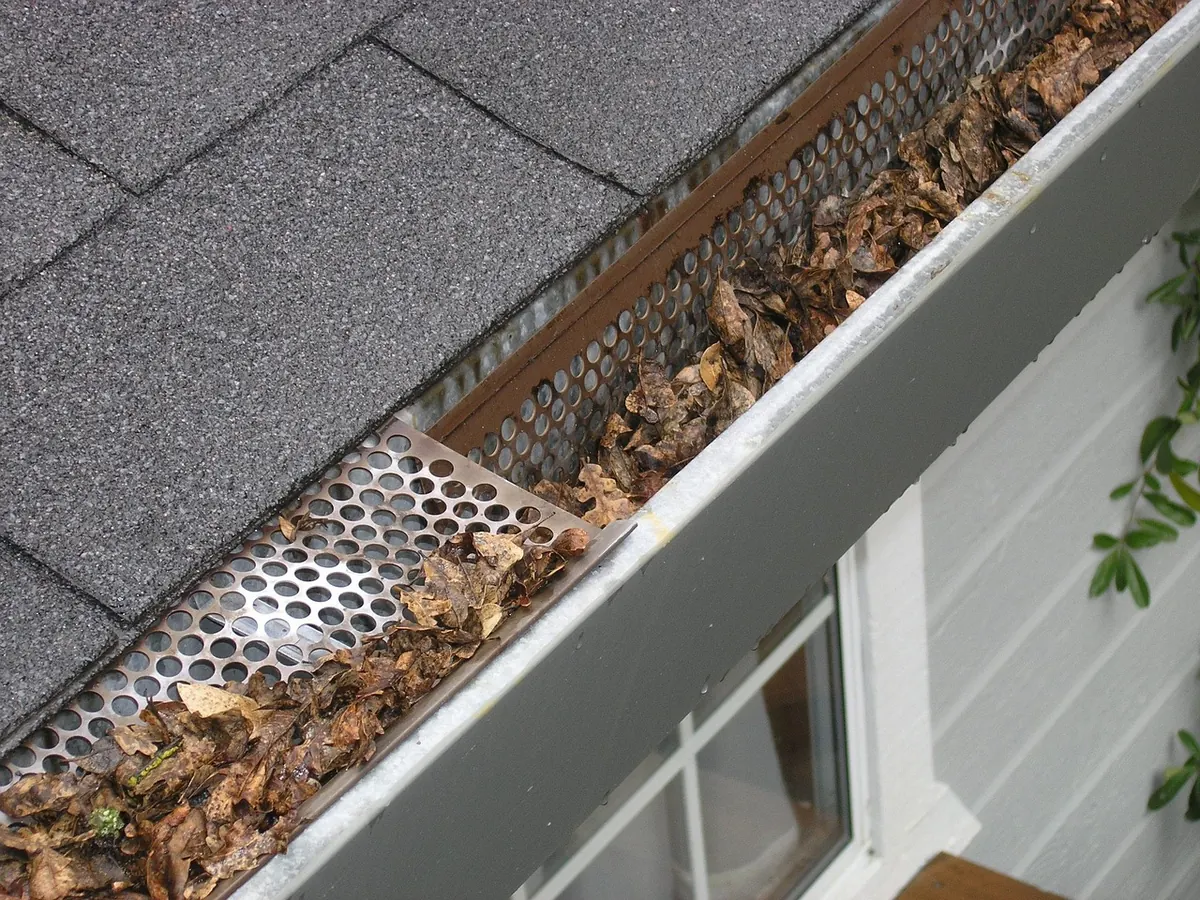
Clear gutters again, ideally in November after most of the leaf fall. If your property sits under trees, consider gutter guards, but keep checking them anyway; guards reduce the frequency of clearing, they do not remove the job.
Winter maintenance is mostly about reacting quickly and not making things worse.
Frozen pipes cause more insurance claims than almost anything else, and they usually burst when they thaw, not when they freeze. Know where your internal stopcock is and make sure it turns. If you are going away in a cold snap, leave the heating on a low background setting rather than off.
Ventilation matters just as much in winter as warmth. Air bricks and trickle vents exist to keep air moving through the fabric of the building, so do not block them to keep the cold out. Run extractor fans in the kitchen and bathroom, open a window for ten minutes in the morning even on a cold day, and avoid drying washing on radiators in a closed room. If mould keeps returning to the same corner, that is a ventilation or water problem, not a cleaning problem.
After a storm, inspect from the ground with binoculars. Look for missing tiles, shifted ridge tiles, bent flashing and cracked render. Do not go up a ladder onto a wet, frosty or windy roof for a look; that is a job for someone who does it weekly.
On paths and steps, grit with sand or a sand-and-grit mix. Rock salt is effective on ice but it can damage older stone paving and kills plants along the edges, so keep it away from borders and soft stonework.
Plenty of this is genuinely DIY: clearing gutters, bleeding radiators, re-sealing a window, gritting a path. But some jobs are not worth a weekend and a bad ladder. Anything involving gas, mains electrics, working at height, or the structural stability of a wall should go to a qualified trade, and any gas work in the UK legally has to be carried out by a registered engineer.
If you find widespread damp, a crack that is widening, or a floor that has started to feel springy near an external wall, get a proper survey rather than a patch-up. On money and legal questions, such as who pays for a shared drain or what your insurance covers, take advice from a qualified professional rather than guessing.
Keep a note in your diary for the first dry weekend of each season, and the rest takes care of itself. A Somerset house that is checked four times a year is a good deal cheaper to run than one that is only looked at when something has already gone wrong.
Photo: Ray_Shrewsberry / Pixabay
Previous Post
Common Mistakes When Hanging Heavy Shelves and Mirrors
Next Post
Handyman Quotes Compared: Hourly Rates vs Fixed-Price Jobs