10 Odd Jobs to Bundle Into One Handyman Visit

A handyman arrives with a drill, a level, a box of assorted screws and a fixed amount of time. What he does not arrive with is unlimited patience for a one-hour minimum charge. Most services set a minimum call-out or a first-hour rate, which means the cost of a visit looks roughly the same whether you hand over a single wobbly hinge or a whole page of small jobs.
So keep a list. On the fridge, in your phone notes, wherever you will actually see it. Every time a door drags, a drawer sticks or a picture frame slides down the wall, add a line. When the page fills up, book one visit and work through the lot. What follows are the jobs that bundle best, and a few that do not belong on the list at all.
These are the odd jobs that handymen see most often, and the ones that take the least time once the tools are already out of the van:
Door adjustments are the bread and butter of a bundled visit, because they take minutes rather than hours. A door that catches at the top is usually a hinge problem — screws that have worked loose, or a top hinge that has pulled slightly out of the frame. A door that scrapes along the carpet often just needs a few millimetres taken off the bottom edge with a plane, then a coat of paint on the bare timber.
While the tools are out, add the smaller items: a handle that turns too far, a latch that needs a shoulder to close it, a sliding wardrobe door that jumps its track, draughty gaps around a window frame that would benefit from weatherstripping. Have the replacement parts bought beforehand. A handyman can usually make something work, but a matching handle or latch in the right size saves a second trip and a second call-out.
If you rent, check with your landlord before anyone starts planing doors or altering frames. Small adjustments are rarely a problem, but permission in writing is easier than an argument later.
Nine times out of ten, a towel rail falls off the wall because it was fixed with the screws that came in the box and nothing else. Plasterboard needs hollow-wall anchors or a fixing into a stud, and a handyman with a stud finder will find one in seconds. That is the difference between a rail that lasts ten years and one that lasts ten weeks.
Picture hanging follows the same logic. Weigh the frame in your head, or on the bathroom scales if it is heavy, and use two hooks rather than one for anything wide. Mirrors and large frames belong on proper hooks rated for the weight, not a single nail. If you are planning a gallery wall, mark out the arrangement with paper templates taped to the wall first, photograph it, then let the handyman hang to the plan.
Ask about filling as well. Old picture holes, small dents and hairline cracks take no time to fill, but they need paint to finish, so have a small jar of your wall colour ready. Matching a colour from memory rarely works.
Kitchen cabinets are a goldmine of tiny jobs. A door that hangs crooked can usually be corrected with the adjustment screws on the hinge plate, a two-minute fix per door. A drawer that grinds or falls off its runner is often a straight replacement of the runner itself, which is why measuring the old one before the visit helps.
In the bathroom, a new toilet seat is a ten-minute job if the seat is the right shape and the hinges line up; take the old one with you when buying. A basin that rocks slightly usually needs its bracket or fixings tightened. Resealing around a bath or sink is worth doing properly, but bear in mind that silicone needs to cure, so plan not to use that shower for a day.
Know where the line sits, though. Gas appliances, work inside a consumer unit, and anything involving new pipework or a leak you cannot see belong with a qualified, registered trade. A good handyman will tell you the same thing, and a sensible one will say so before starting. If a job touches gas, mains wiring beyond a like-for-like swap, or anything structural, get professional advice and the right certification.
Dining chairs and tables loosen over time because wood moves and screws do not. A quick pass with a screwdriver, plus a dab of wood glue on the joints, adds years to a set. Felt pads under chair legs protect a wooden floor, and cupboard catches that no longer hold can be replaced for very little.
Flat-pack assembly is worth bundling if you have two or three items waiting: a bedside table, a shelving unit, a wardrobe. Keep the instructions and the leftover fittings in a zip bag, and let the handyman work through them in one session rather than spreading the frustration over three weekends.
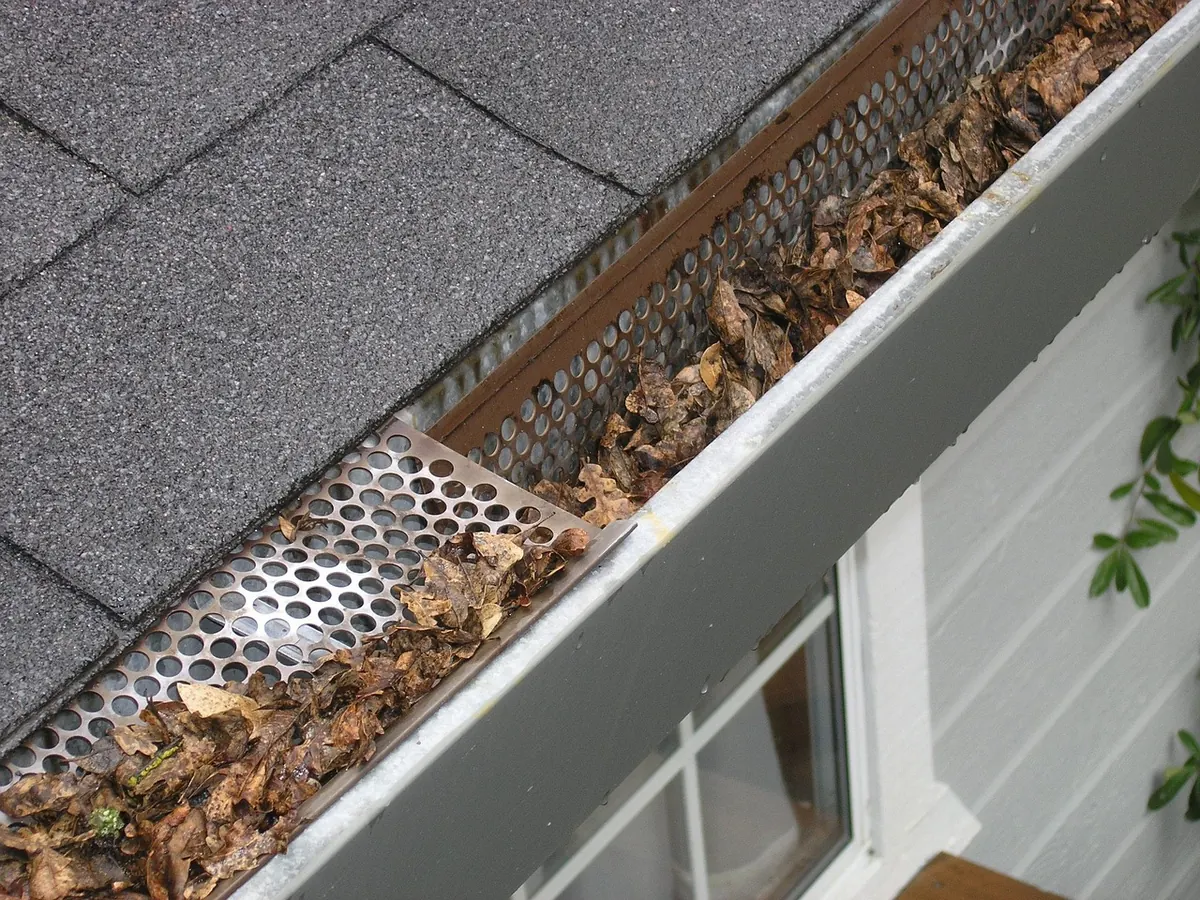
Outdoor work depends on the weather, so group these on a dry day and mention them when you book. Gutters at ground-floor level, a gate that has dropped and no longer latches, a fence panel lifted back into place and re-nailed, a hose reel or bin store bracket fixed to a wall.
Be realistic about height. Clearing a gutter above a single storey, or anything requiring a ladder on uneven ground, is a specialist job with its own risks. Most handymen will happily work at low level and refuse the rest, which is the right answer.
Some jobs do not belong on the list, and putting them there wastes everyone's time. Anything involving gas, major electrical work, roofing at height, asbestos, or structural alteration needs a qualified trade, not a handyman with a full diary.
The other exception is size. If your entire list is one picture hook, it is cheaper and quicker to do it yourself. A handyman visit earns its keep when the jobs need a drill, a ladder, a second pair of hands, or an hour of someone else's patience — which is exactly what bundling gives you.
Before the visit, do three things: buy the parts, clear the floor around each job, and write the list in one place with any notes about parking, pets and the alarm. Hand it over at the start. A clear list turns a scattered hour into a proper sweep through the house, and you will notice the difference the moment the van pulls away.
Photo: JonkersElias / Pixabay
Previous Post
Small Bathroom Renovation Planning: What to Decide Before Hiring a Handyman
Next Post
Common Mistakes When Hanging Heavy Shelves and Mirrors